

At thirty-eight years old, I possessed everything our culture tells young men to strive for: a polished title in a management consultancy, an apartment overlooking the river, and an omnipresent sense of hollow exhaustion that no amount of espresso could dispel. My days were measured in quarterly deliverables, PowerPoint decks, and calendar invites that bled endlessly into my evenings.
Then one Sunday morning, following the painful dissolution of a long-term relationship, I bought a bag of unbleached stoneground rye flour and a glass jar.
The Starter That Refused to Die
Wild yeast is an astonishing creature. It asks for nothing more than flour, water, and time. For the first five days, my starter smelled sour and unpromising. I almost threw it out twice. But on the sixth day, I woke to find the mixture had doubled in volume, bubbling with vibrant, sweet fermentation.
Baking naturally leavened bread is the exact antithesis of modern corporate hustle. You cannot optimize fermentation with an aggressive deadline. You cannot shortcut autolyse or rush gluten development without sacrificing crumb structure and flavor.
"You don't master dough by forcing it into submission; you master it by learning to listen to what ambient temperature and hydration are telling you."
The Hearth at Dawn
Two years later, I signed the lease on a modest brick storefront on the corner of Elm Street. My alarm rings at 2:45 AM every single morning. While the city sleeps in darkness, the cast-iron deck ovens roar to life, radiating five hundred degrees of dry, welcoming heat.
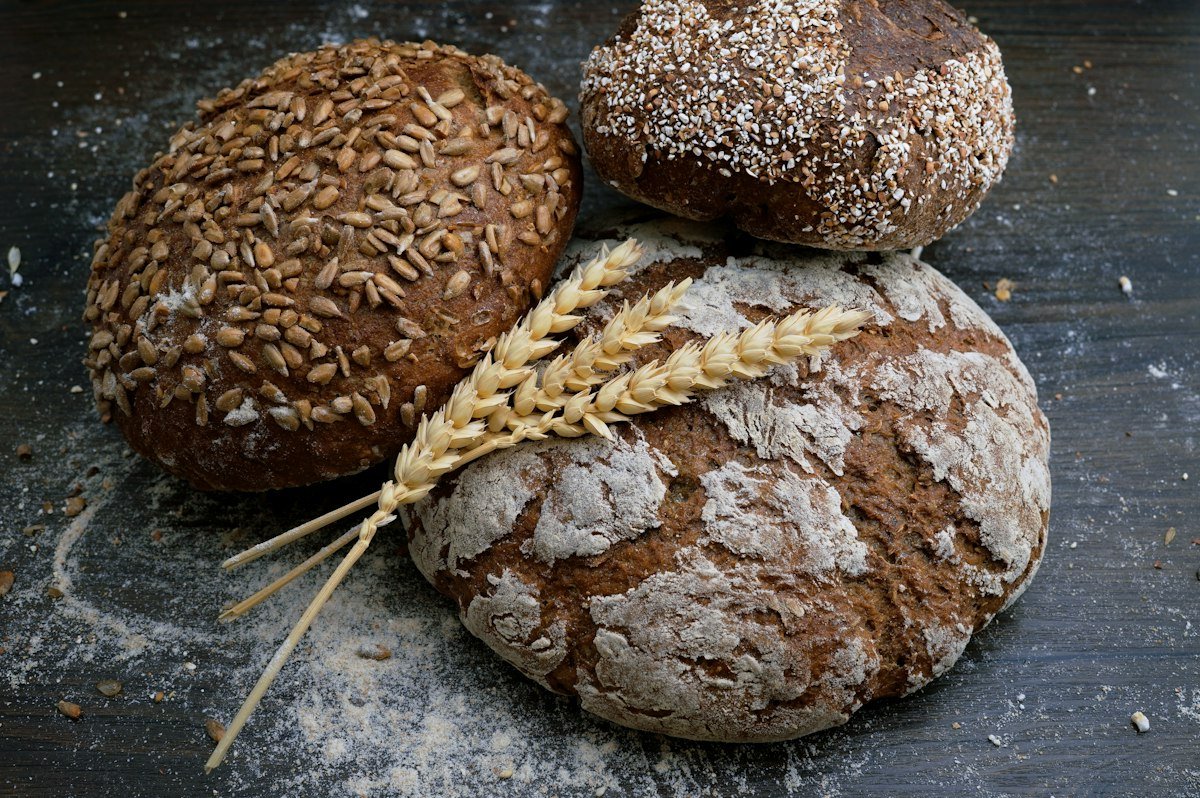
Scoring a loaf of cold-fermented dough with a razor blade—watching it bloom and blister into golden mahogany crusts beneath steam jets—has given me something that no corporate bonus ever could: tangible proof of honest labor, created to nourish my neighbors before their working days begin.
Reflections & Comments 1
Leave your thoughts on this story
As someone who also left a hectic job to pursue creative work, Julian’s words resonate deeply. Beautifully written.